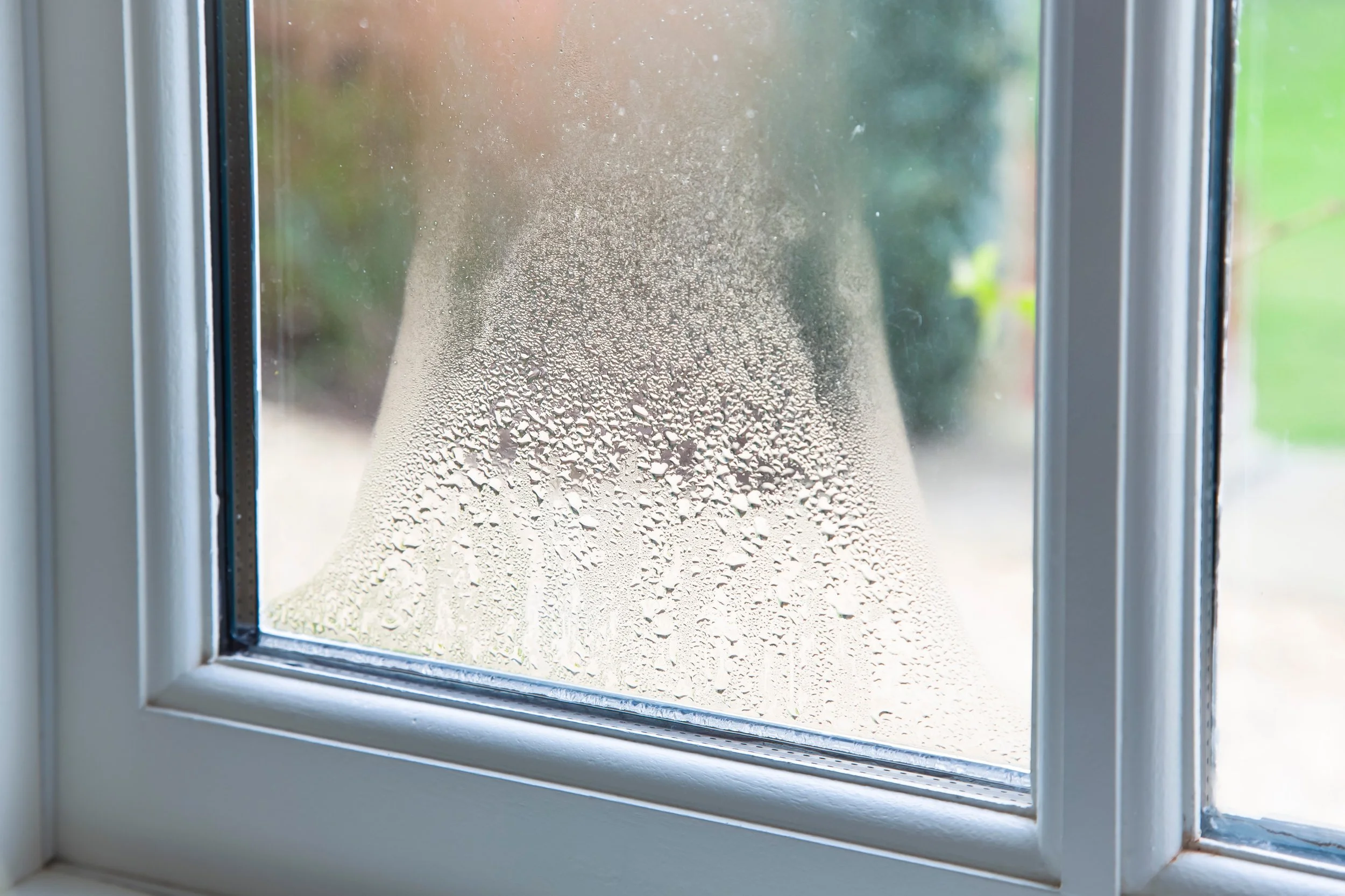
Condensation on windows is a common problem for homeowners, particularly during the colder months. Whether you wake up to water droplets running down your bedroom windows or notice persistent misting across your living room glazing, it can be frustrating to deal with. While occasional condensation is usually nothing to worry about, persistent moisture can indicate that something in your home needs attention.
Understanding why condensation occurs, what causes it to become worse and how to manage it can help you maintain a more comfortable home. It can also help you recognise when your existing windows, doors or glazing may need repairing or upgrading.
At 3 Shires Glazing, we understand how important it is to have windows and doors that perform properly throughout the year. Based in Olney, Buckinghamshire, we provide a range of window, door and glazing services to homeowners and businesses across Buckinghamshire, Bedfordshire and Northamptonshire.
In this guide, we'll explain everything you need to know about window condensation, including the difference between internal and external condensation, how ventilation can help, and when it might be time to consider professional glazing advice.
What Causes Condensation on Windows?
Condensation occurs when warm, moisture-filled air comes into contact with a colder surface. As the air cools, it becomes less capable of holding moisture, causing water vapour to turn into tiny droplets of liquid.
Windows are particularly susceptible because glass can become considerably colder than the air inside your home, especially during autumn and winter.
There are several everyday activities that introduce moisture into your property, including:
Cooking, particularly boiling water and using saucepans without lids.
Showering and bathing, which release large amounts of water vapour.
Drying clothes indoors, especially on radiators or clothes airers.
Breathing, as people naturally release moisture into the air.
Houseplants and other sources of indoor moisture.
When this moisture has nowhere to escape, humidity levels can increase. If the warm air comes into contact with cold window glass, condensation can form.
Although condensation is particularly noticeable on older windows, it can also occur on modern double-glazed installations. The important factor is understanding where the moisture is forming and why.
The Three Types of Window Condensation You Should Know About
Not all condensation is the same. Identifying where moisture is appearing can help you determine whether it is a ventilation issue, a temperature-related problem or a fault with the glazing itself.
1. Internal Window Condensation
Internal condensation appears on the room-facing surface of your window. It is particularly common first thing in the morning, when bedrooms may have been closed overnight and moisture has accumulated in the air.
This type of condensation is generally associated with high indoor humidity and cold glass surfaces.
Common causes include poor ventilation throughout the property, high humidity levels caused by everyday household activities, keeping windows closed for extended periods and drying washing indoors without adequate ventilation.
The good news is that internal condensation can often be reduced through simple changes to your daily routine, alongside improvements to ventilation and insulation where necessary.
2. External Window Condensation
External condensation appears on the outside of your window, rather than inside your home.
Although it might initially look like a problem, external condensation is often a sign that your double glazing is doing its job effectively.
Modern energy-efficient windows are designed to reduce heat transfer between the inside and outside of your property. This means the external pane of glass can remain cooler, allowing moisture in the outside air to condense on its surface.
External condensation is particularly common on clear, still mornings when humidity is high.
In most cases, it will disappear naturally as temperatures rise and sunlight warms the glass. It generally does not indicate a fault with your windows.
3. Condensation Between Double-Glazed Panes
This is the type of condensation that deserves closer attention.
Double-glazed windows consist of two panes of glass separated by a sealed cavity. This space is designed to provide insulation and improve thermal performance.
If the perimeter seal around the glazing unit deteriorates, moisture can enter the cavity and become trapped between the panes.
You might notice persistent misting that cannot be wiped away, cloudy patches or water droplets inside the glass, reduced visibility through the window or a window that looks permanently dirty despite cleaning.
Unlike ordinary internal condensation, moisture trapped between the panes cannot be removed by opening a window or improving ventilation.
In many cases, the sealed glass unit can be replaced without replacing the entire window frame. This is worth investigating before assuming that a complete window replacement is necessary.
3 Shires Glazing provides window and glazing repairs, helping customers identify problems with their existing installations and explore appropriate solutions.
How Can You Reduce Condensation Inside Your Home?
If you regularly find water droplets on the inside of your windows, there are several practical steps you can take to reduce the amount of moisture in your home.
The key is to manage humidity, improve airflow and avoid allowing excessively warm, moisture-filled air to accumulate in enclosed spaces.
Improve Ventilation
One of the most effective ways to manage condensation is to allow moist air to escape.
Opening windows for short periods can help introduce fresh air and remove excess moisture, particularly after cooking, showering or bathing.
Where possible, make use of trickle vents fitted to your windows. These small ventilation openings allow a controlled amount of fresh air into your property without requiring the main window to be opened.
Modern replacement windows can incorporate ventilation options that help maintain airflow while keeping your home secure.
If you're researching windows Buckinghamshire, it is worth considering not just the appearance and thermal performance of a new installation, but also how ventilation will work throughout your property.
Use Extractor Fans in Kitchens and Bathrooms
Kitchens and bathrooms are two of the biggest sources of indoor moisture.
Cooking, boiling kettles, showering and bathing all release water vapour into the air. Without adequate extraction, this moisture can spread throughout the property.
Extractor fans help remove humid air directly from these rooms before it has an opportunity to circulate around your home.
For the best results, use your kitchen extractor when cooking, switch on bathroom extraction when showering and allow extractor fans to continue running after you've finished, where appropriate.
Keep extractor grilles clean and free from dust, and ensure fans vent to a suitable external outlet rather than simply moving moisture into another part of the property.
If your bathroom regularly develops condensation on mirrors, windows and walls, improving extraction could make a noticeable difference.
Avoid Drying Clothes Indoors Where Possible
Drying clothes indoors can significantly increase humidity levels, particularly during winter when opening windows might feel uncomfortable.
If you need to dry washing inside, try to keep it in a well-ventilated room and avoid placing clothes directly on radiators.
Using a tumble dryer with an appropriate external vent or condenser system can also help reduce the amount of moisture released into your living space.
Maintain a Consistent Indoor Temperature
Allowing rooms to become excessively cold can increase the likelihood of condensation forming on windows and other surfaces.
Keeping your home at a reasonably consistent temperature can help reduce the difference between the temperature of the air and the surfaces it comes into contact with.
This does not mean you need to heat every room constantly. However, avoiding significant temperature fluctuations and ensuring unused rooms are not allowed to become excessively cold can help.
Keep Windows and Window Frames Clean and Dry
Although cleaning windows will not solve the underlying causes of condensation, it can help prevent moisture from accumulating around frames and seals.
Use a suitable cloth to remove excess water from window sills, frames and glass.
Pay particular attention to corners and the bottom of window frames, where water can collect.
Regularly check that drainage channels are clear and that external seals appear to be in good condition.
Can Old Windows Make Condensation Worse?
Your windows can influence how easily condensation forms inside your home.
Older single-glazed windows, for example, offer considerably less insulation than modern double-glazed alternatives. Their internal glass surfaces can become very cold during winter, increasing the likelihood of condensation when they come into contact with warm indoor air.
Older or poorly performing double glazing can also contribute to cold spots around window openings.
Modern replacement glazing can help improve the thermal performance of your property by reducing heat transfer through the windows.
However, it is important to remember that replacing windows will not automatically eliminate condensation. If excessive humidity and poor ventilation are the underlying problems, these will still need to be addressed.
The Benefits of Modern Double Glazing
Modern double glazing offers several advantages over older window systems.
Improved thermal insulation: Two panes of glass, combined with an insulated cavity and suitable frame design, help reduce heat transfer. This can make rooms feel more comfortable during colder weather.
Reduced cold spots: Better-insulated glazing can help reduce the temperature difference between the indoor air and the internal window surface, potentially reducing internal condensation.
Greater comfort: Modern windows can help create a more consistent indoor environment by reducing draughts and unwanted heat loss when correctly specified and installed.
Improved noise reduction: Double glazing can also help reduce the amount of external noise entering your property, particularly when the glazing specification is suited to the surrounding environment.
Updated appearance: Replacing older windows can improve the overall appearance of your home, with a range of styles, colours and finishes available to complement different property types.
For homeowners considering replacement windows in Buckinghamshire, choosing the right glazing system involves balancing appearance, performance, ventilation and long-term maintenance.
Could Your Doors Also Be Contributing to the Problem?
Windows are often the first place homeowners notice condensation, but doors and their surrounding frames can also influence the comfort and performance of a property.
Older external doors may have worn seals, poorly adjusted hinges or gaps that allow unwanted draughts to enter.
These issues can create uncomfortable cold spots around doorways and make it harder to maintain a consistent indoor temperature.
Checking the condition of your external doors is therefore an important part of maintaining your home's overall thermal performance.
Signs Your External Door May Need Attention
Look out for the following warning signs:
Noticeable draughts around the edges of the door.
Difficulty opening or closing the door.
Worn or damaged weather seals.
Water entering around the frame.
Locks or handles that no longer operate correctly.
Visible damage or deterioration around the door.
Sometimes, these problems can be resolved through adjustments or replacement components rather than installing an entirely new door.
However, if your existing door is particularly old or poorly insulated, upgrading could be worth considering.
If you are looking for a new door in Buckinghamshire, it is important to choose a product that offers an appropriate combination of security, insulation, durability and appearance.
3 Shires Glazing supplies and installs a range of door solutions, helping homeowners find options that complement their properties and meet their practical requirements.
What About Secondary Glazing?
For some properties, replacing existing windows is not necessarily the most appropriate solution.
This can be particularly relevant for older buildings, listed properties and homes in conservation areas where retaining original window features may be important.
Secondary glazing offers an alternative.
It involves installing an additional pane of glass on the inside of an existing window, creating an insulating air gap between the two glazing systems.
Depending on the property and specification, secondary glazing can provide several benefits:
Improved thermal insulation.
Reduced external noise.
Reduced cold draughts around the window.
Greater comfort during colder months.
Retention of the original external window appearance.
Secondary glazing can be particularly useful for homeowners who want to improve the performance of existing windows without completely replacing them.
It is also worth considering where noise reduction is a priority, such as properties close to busy roads or other sources of external noise.
3 Shires Glazing offers secondary glazing solutions designed around individual window requirements, providing an option for properties where conventional replacement glazing may not be suitable.
When Should You Consider Replacing Your Windows?
Condensation alone does not necessarily mean your windows need replacing. However, if you are experiencing persistent problems alongside other signs of deterioration, it may be worth arranging a professional assessment.
Some common indicators that your windows may need attention include:
Persistent misting between glass panes
This can indicate that the sealed glazing unit has failed. Depending on its condition, replacing the glass unit may be sufficient.
Noticeable draughts
If you feel cold air entering around closed windows, the seals, hinges or frames may need attention.
Difficulty operating windows
Windows that are difficult to open, close or lock may have worn components or alignment issues.
Damaged frames
Cracked, warped or deteriorating frames can affect the performance and security of your windows.
Excessive external noise
If your windows provide very little protection against outside noise, an upgrade may be worth investigating.
The important thing is not to assume that every problem requires a complete replacement. In many situations, a repair or replacement glass unit could provide a more suitable and cost-effective solution.
This is where professional advice can make a difference.
Choosing the Right Glazing Company in Buckinghamshire
Whether you're dealing with condensation, considering replacement windows or looking to upgrade your external doors, choosing an experienced glazing company is an important decision.
There are several factors worth considering before committing to any work.
Experience and Industry Knowledge
Look for a company with experience working on different property types and glazing systems.
An experienced installer should be able to explain the available options and help you understand which solution is most appropriate for your home.
Repairs as Well as Replacements
A good glazing company should be able to assess whether an existing installation can be repaired before recommending a complete replacement.
This is particularly important when dealing with failed sealed units, faulty locks, damaged hinges and worn window seals.
Product Choice
Every property is different, so having access to a range of window and door styles, materials and finishes can make the decision easier.
Whether you prefer traditional uPVC windows, contemporary aluminium systems or a more bespoke design, the right product should suit both your property and your requirements.
Professional Installation and Aftercare
Even high-quality glazing products need to be installed correctly to achieve their intended performance.
Ask about installation standards, relevant accreditations, guarantees and aftercare arrangements before proceeding.
For anyone researching glazing Buckinghamshire, working with an established local company can make the process more straightforward.
Why Choose 3 Shires Glazing?
Based in Olney, 3 Shires Glazing is an independent window and door company with more than 20 years of experience in the glazing industry.
We work with domestic and commercial customers throughout Buckinghamshire, Bedfordshire and Northamptonshire, providing a comprehensive range of installation and repair services.
Our services include:
Replacement uPVC and aluminium windows.
External doors and entrance doors.
Bifold and patio doors.
Conservatories and thermal roof systems.
Secondary glazing.
Window, door and conservatory repairs.
Commercial glazing installations and repairs.
Specialist glazing products.
We understand that every property and project is different. That's why we take the time to understand your requirements and help you find a suitable solution.
Whether you need advice about a misted double-glazed unit, want to improve the performance of your existing windows or are planning a complete property upgrade, our experienced team is here to help.
We also offer supply-only options alongside our installation services, giving customers flexibility when planning their projects.
With a commitment to quality products, professional workmanship and reliable customer service, we aim to make improving your home as straightforward as possible.
Frequently Asked Questions About Window Condensation
Is condensation on the inside of windows normal?
Occasional condensation is common, particularly during colder months. However, persistent or excessive moisture can indicate high indoor humidity or inadequate ventilation. It is worth addressing the underlying cause to prevent ongoing moisture problems.
Does condensation between double-glazed windows mean they need replacing?
Not necessarily. Condensation trapped between the panes usually indicates that the sealed glass unit has failed. In many cases, the glass unit can be replaced without removing the entire window frame.
Will new double glazing stop condensation completely?
Modern double glazing can help reduce condensation by improving insulation and keeping internal glass surfaces warmer. However, it cannot eliminate condensation caused by excessive indoor humidity or poor ventilation.
Should I open my windows during winter to prevent condensation?
Opening windows briefly can help remove moisture and improve ventilation, even during winter. Using trickle vents and extractor fans can also help maintain airflow without leaving windows open for extended periods.
Is external window condensation a problem?
Usually not. External condensation can occur on well-insulated windows when the outside glass remains cool and the surrounding air is humid. It generally disappears as the weather warms up.
Can secondary glazing help with condensation?
Secondary glazing can improve insulation and reduce cold surfaces, potentially helping with condensation in some properties. However, adequate ventilation and humidity control remain important.
Should I replace my windows if they are constantly misting?
If misting occurs between the panes, the sealed glazing unit may have failed. A professional assessment can establish whether the glass can be replaced or whether a wider window upgrade would be more appropriate.
Looking for Window and Door Specialists in Buckinghamshire?
Condensation might seem like a minor inconvenience, but persistent moisture can be a sign that your home would benefit from improved ventilation, maintenance or upgraded glazing.
Understanding the difference between internal condensation, external moisture and failed double-glazed units is the first step towards finding the right solution.
Whether you need a straightforward glazing repair, replacement windows, a new external door or advice about secondary glazing, 3 Shires Glazing is here to help.
As an established local company based in Olney, we provide professional glazing services throughout Buckinghamshire and the surrounding areas.
Get in touch with 3 Shires Glazing today to discuss your requirements and arrange a quotation.
Call us on 01234 712242 or 01908 980068, or visit www.3shiresglazing.co.uk to make an enquiry.